El Paso Youth Climate Action Fund
The City of El Paso has been selected as one of 300 cities worldwide to participate in Bloomberg Philanthropies’ Youth Climate Action Fund (YCAF) program. The Youth Climate Action Fund, or YCAF, enables the city to provide small microgrants ranging from $1,000 to $5,000 to support youth-led projects that address the unique climate-related challenges our region faces. Project leads must apply with support from a fiscal sponsor such as a youth-serving organization or environmental nonprofit.
Key Dates
- August 28: Application window opens
- September 8, 9, and 10, 2026: Project co-creation workshops (details below)
- October 23, 2026: Application closes
- November 20, 2026: Funds disbursed to partner organizations
- April 15, 2027: Project completion deadline
- April 23, 2027 (Earth Day): Global announcement and showcase of projects
How to Apply
-Live assistance available on Mondays between 3:30 PM and 4:30 PM-
Co-creation Workshops
Have a general idea of a project you may like to lead or join? Or maybe you know exactly what you’d like to accomplish but need to get in touch with an organization to partner with as a fiscal sponsor.
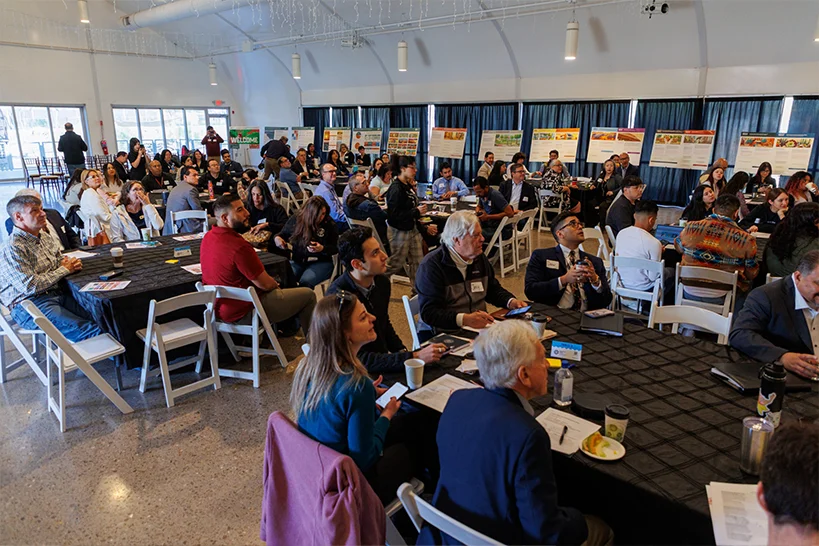
Whatever phase you’re in for project development, join us for one more of our project ideation and co-creation workshops!
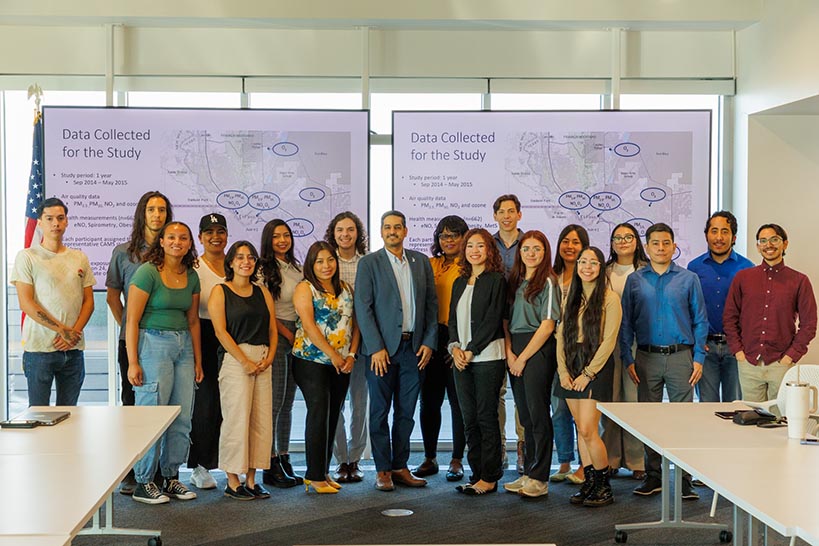
During this series of interactive meetings, we’ll be reviewing application guidelines and the goals of the newly adopted Climate Action Plan. We’ll then help develop your project proposal into the most competitive application possible. Participants will also be able to network with each other to build small project teams, and with organizations that may potentially serve as the project’s fiscal sponsor.
Workshop Schedule:
- Tuesday, September 8, 2026: Wayne Thornton Community Center at Grandview (3134 Jefferson Ave)
- Wednesday, September 9, 2026: Chamizal Community Center (2119 Cypress Ave)
- Thursday, September 10, 2026: Sylvia Carreon Community Center (709 Lomita Dr)
All workshops will be held from 6:00 to 7:30 PM.
Each workshop will cover the same information. Join for as many as you’d like!
Download Announcement Flyer
See Workshop Presentation
What is a Microgrant Project?
Microgrants are small grants (between $1,000 and $5,000) that support
youth-led climate projects aligned with our region’s Climate Action Plan.
A microgrant project must:
- Be proposed, designed, and led by at least two young people aged 15–24.
- Align with one or more of the 10 measures outlined in the Chihuahuan Desert Climate Action Plan.
- Be completed by Thursday, April 15, 2027.
- Operate within a budget of US$1,000–US$5,000 using eligible expenses (see below).
- Focus on youth leadership and action; equipment and infrastructure costs should not exceed 50% of the project budget.
Here are some examples of the types of eligible projects:
- Climate education and awareness, like courses, experiences, or the arts.
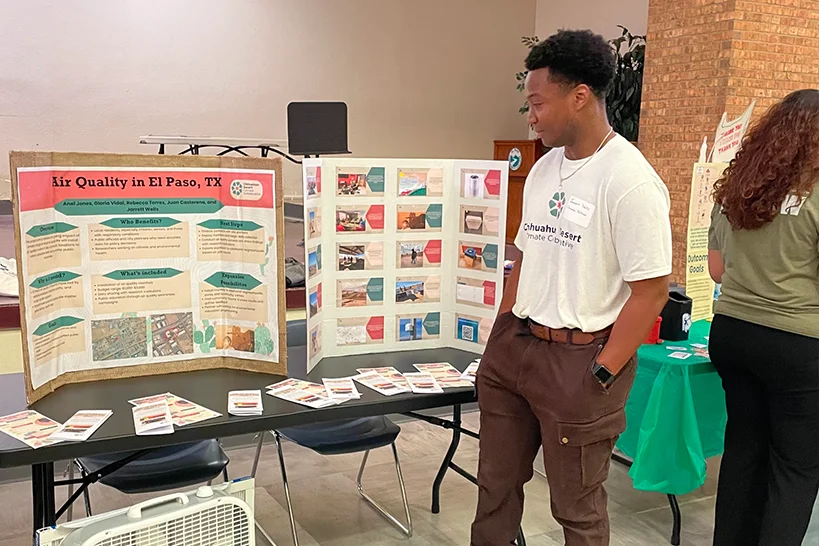
- Research and data collection, like mapping environmental health.
- Resilience and adaptation, such as addressing water quality or heatwaves.
- Green Infrastructure, reforestation, and environmental protection, like creating parks, community gardens, or green roofs for community buildings.
- Sustainable agriculture and food systems, like urban farms that would enrich community access to fresh food.
- Promotion and advancement of circular economy, like sustainable fashion or rethinking the use of discarded materials.
- Sustainable waste management, like sorting, collection, or cleaning.
- Sustainable transportation, like encouraging walking, cycling, and using public transportation.
- Climate governance, like youth councils or consultation of youth for public decisions.
Each project must include:
- At least one output (a direct deliverable, such as number
of events held).
- At least one outcome (the result of those activities).
- A numerical target for both.
Evaluation Criteria
Youth empowerment is at the heart of the EPYCAF, and the program was designed to support projects created and managed by youth to make a positive impact in the region. The strongest applications will propose well-planned projects directly related to the climate action priorities outlined in the Climate Action Plan that will benefit the community in meaningful and creative ways.
How your application will be scored by reviewers:
| Criteria
|
Scoring Details
|
| Relevance to the Climate Action Plan
|
Does the project directly address one of the 10 broad measures in the CAP with clear focus?
|
Role of Young People
|
Does the application clearly describe how youth will be leading the project, including their roles and responsibilities?
|
Innovation
|
Is the project approach new and experimental?
|
Feasibility and Planning
|
Does the application present a clear, realistic plan to complete the project by April 15, 2027?
|
Budget
|
Does the application present a clear budget?
|
Impact
|
Does the application provide a clear explanation of the project’s impact with a clear focus? Does it include at least one measurable output and one measurable outcome?
|
Who Can Receive a Microgrant?
Projects should be led by young people, with youth participants being the primary decision makers, but funds must be disbursed to organizations. All applications are required to have a fiscal sponsor to receive funding.
Eligible recipients include:
- Youth-led organizations (e.g. youth clubs or groups).
- Youth-serving organizations (adult-led organizations supporting young people).
- Sponsor organizations, such as city agencies, schools or other educational institutions, museums, or community organizations.
Private companies, individuals, or political parties or party-affiliated organizations are not eligible.
All organizations must:
- Be legally registered entities.
- Be recognized as a non-profit or charitable organization under local laws (unless a public entity).
- Have a bank account in the organization’s name.
For compliance purposes:
- The Office of Climate and Sustainability cannot act as a sponsor for a project due to its role managing the YCAF program.
- Sponsors cannot be partisan organizations or political parties.
Microgrant recipients cannot be the subject of any applicable sanctions regime.
Funding Guidelines
Project applications can request between $1,000 and $5,000.
What funds can be used for:
- Project supplies and materials, including rental and purchase of items directly needed to carry out the project, such as equipment, tools, art supplies, or technology.
- Costs for organizing community events, workshops, or educational sessions, including venue rental, printing of materials for participants, and basic refreshments.
- Costs for any necessary permits to implement the project in accordance with local regulations.
- Reasonable ground travel expenses (such as public transit, ride shares, or taxis) for youth participants or team members directly involved in project implementation.
- Promotional materials to raise awareness about the project, encourage engagement from stakeholders and the greater community, and share project results, including photography, editorial support, and videography.
- Reasonable fees for training and mentorship offered in workshops with youth participants.
- Administrative costs that local NGOs, civic groups, neighborhood clubs, schools, or other organizations may charge for administering a microgrant on behalf of youth project leads. The costs should be no more than 15% of the microgrant value.
- Small amounts to enable youth participation, such as per diems for food or gift cards, if these expenses are reasonable in proportion to the activities. In no event may these expenses make up the majority of the microgrant.
- Capital investments when they do not exceed 50% of the microgrant and are an essential part of the project suggested and led by youth.
Funding cannot be used for:
- Services/expenses covered by existing city initiatives.
- Rent or utilities, unless specified above.
- Nonprofit/NGO incorporation fees.
- Speaker honorariums and speaker fees.
- Scholarships.
- Direct support to individuals or families.
- Partisan political contributions or expenses.
- Expenses related to political campaigns, fundraisers, or projects.
- Expenses related to lobbying (attempting to influence legislation) or voter registration.
- Expenses related to commercial activities.
- Capital campaigns, endowments, or endowed chairs.
- Payments to government officials.
- Events or fundraisers not related to youth climate action.
- Regranting or sub-granting to other organizations or individuals.
How to Apply
- Review the evaluation criteria to understand how your application will be scored by reviewers. This will help guide your responses to receive the greatest possible score on your application.
- Application Link
- Submit all applications before October 23, 2026
Note: Attend any of our co-creation workshops to review application guidelines, get help developing your project proposal, and network with other participants. (see dates and times above). For any additional questions, fill out this request form.
Current Climate Projects
There are many ways to take action and help build a healthier, more resilient El Paso. Explore the initiatives below to learn how community members, organizations, and neighborhoods can get involved in creating a more sustainable future for our city.
915 Tree Keepers
The 915 Tree Keepers program offers neighborhoods with low-tree equity scores the opportunity to adopt trees and, together, grow their block’s tree canopy cover. Through community partnerships and volunteers, the program provides trees and planting support, prioritizing underserved areas and creating lasting benefits for El Paso’s neighborhoods, residents, and environment.
Learn More
Bloomberg Philanthropies’ Youth Climate Action Fund (YCAF)
Under the YCAF, the city has been awarded $50,000 in order to provide microgrants ranging from $1,000-$5,000 for local youth (aged 15-24) to design and implement climate projects.
Cool El Paso
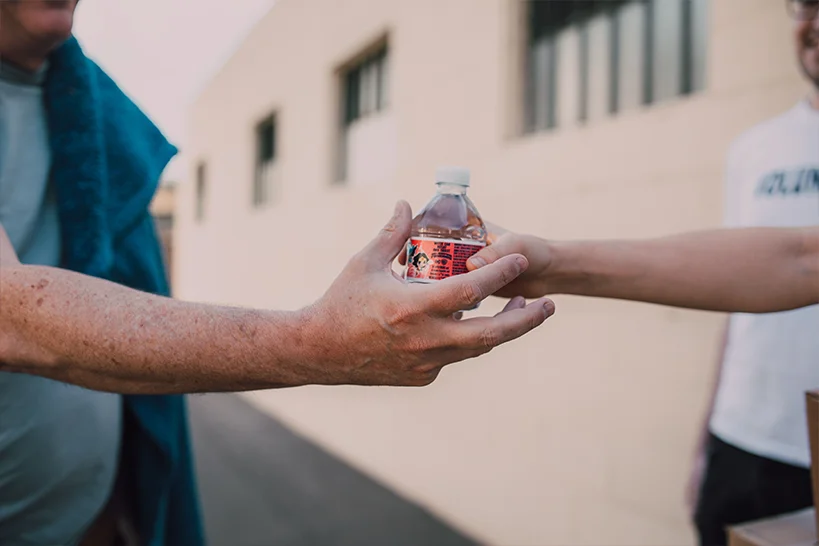
The city has formed interdepartmental and community partnerships to provide residents with resources to stay safe and healthy in the summer heat, and to help adapt city infrastructure to shifting baseline extreme temperatures.
Learn More
Environmental Stewardship Program
Community engagement is essential for climate initiatives, as it ensures projects are relevant, impactful, and sustainable by amplifying local perspectives and expertise. That’s why our team is collaborating across departments and with community partners to create a stewardship program designed to achieve our Climate Action Plan goals. Stay tuned for updates and learn how you can become a community steward—launching late Spring 2027!
Energy Efficiency & Conservation Block Grant (EECBG)
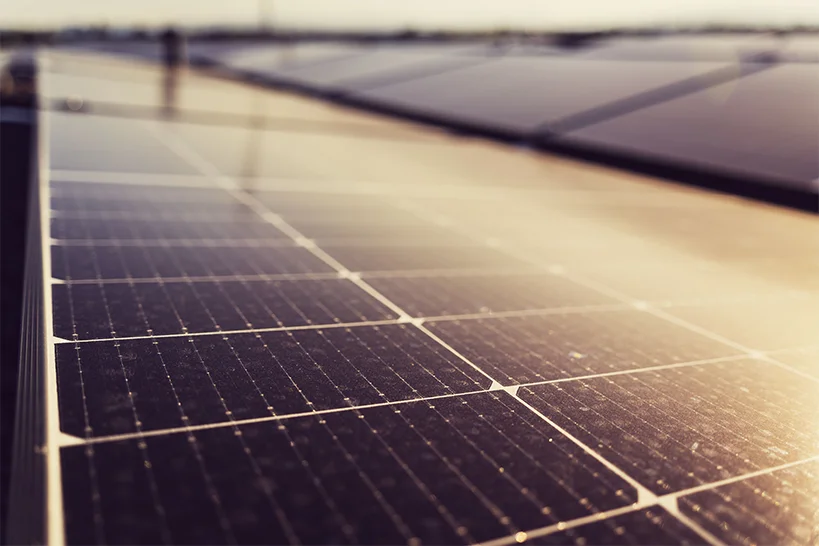
Grant program supporting the installation of solar photovoltaic systems in non-profit organizations. The program is installing panels in 12 community organizations with the goal reducing their operational expenses and promoting renewable energy resources. Systems are expected to be generating electricity by the end of fall 2026.